Online File Privacy Check
It is important to know the functionality of online file privacy check tools in a digital environment where files may be shared, synchronized, or stored in various platforms and erome. The tools also assist users to check whether their files are available, open to others or vulnerable. Privacy check systems scan permissions, links, and storage settings and notify you of the vulnerabilities that might expose sensitive data or personal information to the third party.
One of the methods to minimize accidental exposure is to scan online files with an online file privacy check that will highlight weak settings, external links, or old permissions. It is important to have privacy regardless of what you save; be it pictures, documents, or creative work. These tools enable users to check file access, fix errors and reclaim possession of digital assets. Privacy check allows a user to strengthen security, preserve identity, as well as manage files responsibly.
Why Online File Privacy Checks Matter
An online file privacy check is useful in saving sensitive files by avoiding inadvertent exposure. Due to wrong settings or unrestricted links, many users post documents publicly even though they are unaware of this. These risks can be identified by privacy checks and make sure that only trusted individuals can access your files.
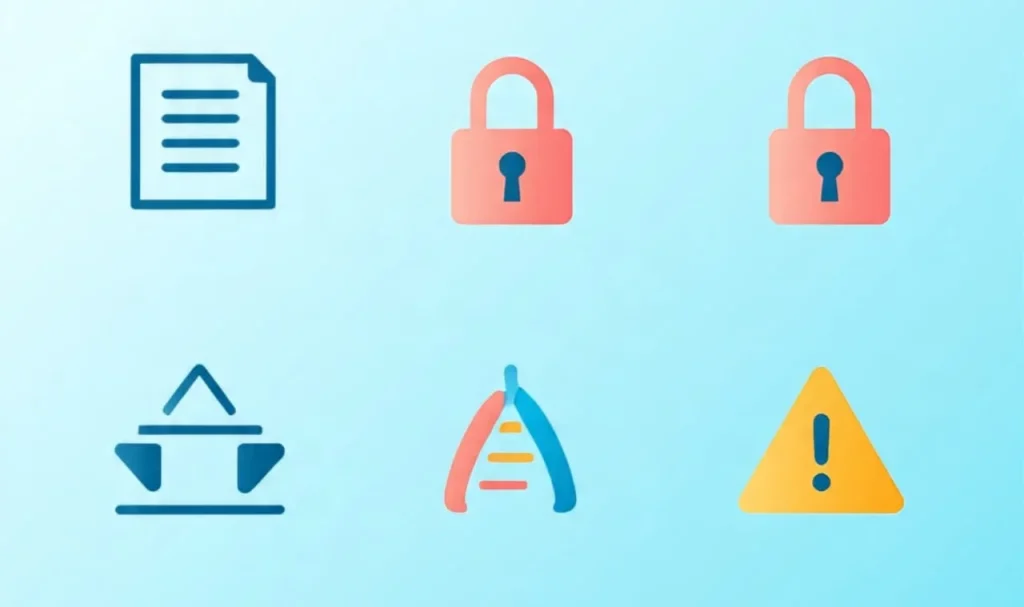
Privacy checks avoid the theft of data, unauthorized use and identity risks. Regardless of whether it is personal record storage or storage of creative content, it is important to ensure that privacy is confirmed. The checks enhance online security and overall file management behavior, as they bring out the latent vulnerabilities.
Identifying Public or Unrestricted Links
The ability to identify public links is one of the important characteristics of an online file privacy check. Cloud services tend to produce shareable URLs that can be seen by anybody having the link. Privacy tools can be used to determine the exposure of confidential files to such links.
These tools show unexpected access points, fixing which is possible by scanning shared links. The elimination or blocking of open links enhances privacy and eliminates illegal downloads. This is a process that keeps sensitive content safe.
Reviewing File Access Permissions
One of the key actions of the online file privacy checking procedures is checking access permissions. One can share files with other persons, teams or even organizations. Privacy options are used to monitor access by whom and whether the permission has expired or become too broad.
The permissions also assist in restricting exposure and only the target recipients are allowed to access files or make any modification. The approach facilitates teamwork and ensures high levels of security. Effective permission controls decrease the risks of privacy.
Detecting Metadata Exposure Risks
Metadata has the capacity to display concealed data like authorship, whereabouts or date of creation. Metadata risks can be identified through an online file privacy check because a user can miss them. Unsecured metadata may jeopardize privacy when distributed without any review.
Sensitive metadata is indicated by privacy tools and recommended to be removed or edited. Through proper management of metadata, users minimize information leakage. This measure will make files confidential even after sharing or uploading.
Checking Cloud Storage Privacy Settings
The cloud platforms also have a number of privacy settings, and an online file privacy check assists in maintaining them. The folders may become public or shareable without notifying the user in the wrong settings. The details undergo thorough scrutiny by privacy tools.
Surveying cloud environments can safeguard individual, imaginative, or professional data. The user is able to change visibility and bolster account controls. An appropriate configuration is suitable in ensuring digital safety in the long-term and avoiding unintentional exposure.
Analyzing File Sharing History
Some privacy tools incorporate history analysis in an online file privacy check. This option is able to trace the sharing of files, with whom and how frequently. It assists in detecting the forgotten links or long-term access permissions.
Sharing history should regularly be reviewed to keep files in control. Deactivating outdated access minimizes the risks and keeps the content confidential. The move will help to maintain a good file management procedure and enhance general privacy.
Scanning for Vulnerable Storage Locations
Online file privacy check also finds out the areas of storage which are vulnerable. There is a risk of files stored in old systems, open folders or temporary places being compromised. These areas are scanned by the privacy tools to detect weaknesses.
Using encrypted storage, the user will minimize the risk of unauthorized access to or loss of data. Safety is improved by transferring files to encrypted or private folders. Long-term digital protection depends on secure storage.
Evaluating Device-Level Privacy Risks
Devices are significant to an online file privacy check. It is possible to sync, share, or back-up files automatically, without the users noticing. Privacy tools scan the devices to identify possible dangers.
A change of device settings enhances the security of files. Limiting the background syncing, turning off the sharing with the world, and securing the applications help to minimize exposure. The cloud privacy practices are enhanced with device-level checks.
Maintaining Continuous Privacy Monitoring
Digital privacy must be worked on constantly. Regular reviews of online file privacy checks will make sure that files are safe when settings, platform, or sharing practices are altered. The process of constant monitoring assists in detecting new weaknesses in time.
Your online files are safe in the long term with automated privacy alert and periodic updates. Regular checks facilitate order, avoid exposure and ensure control. Digital safety on all platforms is enhanced through long-term monitoring.
FAQs
Final Thoughts
With a file privacy check online, you can be sure that your online content is not being accessed or accidentally exposed by an unauthorized party. The tools offer a very insightful view of file permissions, metadata, sharing, and cloud configurations. Frequent scanning will enhance security and aid the provision of a secure digital space on platforms.
Users can have full control over their files by detecting risks at the earliest stage and modifying permissions. Long-term privacy is promoted through constant surveillance, safe sharing, and safe storage. The implementation of these practices will enable the person and artists to handle digital files in a safe and accountable way.