Metadata Privacy Guide
This metadata privacy guide on erome will enable users to realize that the information that is hidden on photos, documents, and other digital files can reveal personal information. Metadata may involve location, type of device, time and identity of creator. Lacking protection, this data can be abused to track, profile or identify someone illegally. Digital sharing is safer when metadata is controlled and this enhances general privacy in online platforms.
Metadata management has become a critical aspect of privacy protection as cyberthreats continue to rise. The files that users share have sensitive details that they do not know. This metadata privacy guide points to simple, efficient methods of reviewing, editing, and deleting concealed information prior to sharing information. Through good metadata practices, one defends identity and minimizes risks and enjoys safe and professional control over their online presence.
What Metadata Is and Why It Matters
Metadata is the information that is descriptive of digital files, like the location coordinates, the time, the camera settings, and the author. This metadata privacy guide is important since such information can tell a lot more than one wants it to do. Such data can be used to trace movements or to determine creators by hackers and unauthorized users. Learning metadata assists the user to safeguard him/herself and enhance online safety behaviors.
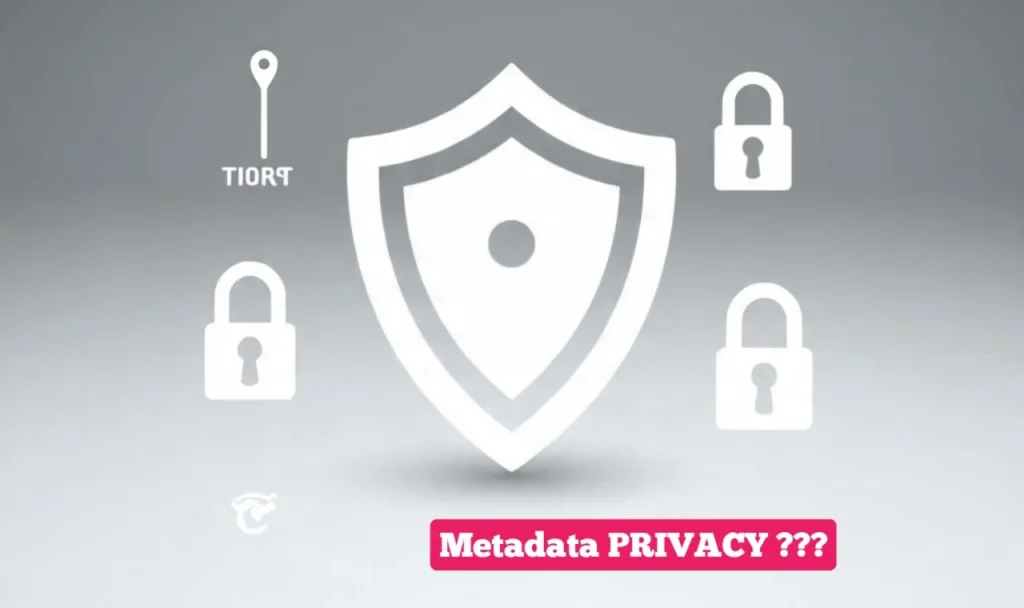
Metadata is created with the aim of arranging files and enhancing the searchability process, however, it poses privacy threats when published publicly. Makers and users in general tend to underestimate metadata because they think that only what is visible is important. Nevertheless, covert data can reveal individual habits, equipment used, and even work related information. Metadata management is an essential skill that will help to avoid unintended online disclosure and protect personal information.
Removing Metadata Before Sharing Files
One of the key pieces of advice in this metadata privacy guide is to strip metadata of any files prior to posting or sharing. Photos can be a source of GPS position, and documents can include the names of authors or revision history. Deleting metadata is a way of safeguarding identity and ensuring that others do not get to know about sensitive information. The majority of devices and editing software have in-built features where metadata can be removed or purged before upload.
Stripping metadata on a regular basis decreases the vulnerabilities of digital and makes sure that files show only what you want. Photos, videos and documents can be removed using free and paid metadata removal tools. These tools will ensure that unauthorized persons cannot track the origins of files or unneeded data. Basic cleaning practices provide good protection and can ensure a secure digital environment of personal and professional content.
Using Privacy-Focused File Formats
Certain file formats have more metadata inherently than others. This guide on metadata privacy offers users tips to use privacy friendly formats when sharing sensitive materials. An example is, by exporting the screenshot instead of the full-resolution image, a lot of hidden details are removed. Equally, the conversion of documents to PDF can minimize information that can be tracked. The choice of the correct format provides an extra level of privacy.
File behavior awareness assists users to minimize unwanted exposure. Image flattening, stripped exportation or simplified files allow content creators to strip out metadata. These methods make sure that little information is imprinted. An easy yet efficient method of identity protection is the utilization of privacy-aware formats, particularly when posting the content to strangers or social media.
Managing Metadata in Photos and Videos
GPS position and device identifiers are some of the sensitive metadata found in photos and videos. The metadata privacy guide says that we need to turn off location tagging on smart phones and cameras. This way, one would not have to record movement patterns or personal routines automatically. Eradicating this information maintains the confidentiality of your physical location, eliminating the probability of stalking, monitoring, or being shown.
Apps are able to be edited to enable creators to adjust or delete metadata before sharing media. To avoid unintentional leaks, the creators of the content need to frequently review EXIF data. This is a necessary step when sharing behind-the-scenes material or work. Increased metadata control keeps the content in a safe place, prevents personal exposure, and safeguards the identity of the users and the originality of the creative work.
Protecting Document Metadata
Metadata contained in documents like PDF, word files, and spreadsheets can tell the identity of the author, history of editing, and organization. This metadata privacy guide proposes the application of document inspector tools to remove hidden information. Efforts to delete personal names, tracked comments, as well as timestamps are used as cleaning tools to reveal sensitive information or internal operations.
Document metadata is often not given much attention by beginners yet it can be a significant privacy threat. Internal data is inadvertently disclosed in many business documents when they are distributed outside. Metadata cleaning will only deliver the message to the recipients. This avoids legal tussles, information breaches, and unintentional leakages. Metadata cleaning is also essential to ensure safer communication both at personal and professional levels.
Using VPNs to Mask Network Metadata
Your internet connection leaves metadata which can be used by the websites to monitor you. This metadata privacy guideline suggests using virtual private networks (VPNs) to conceal IP addresses, web logs, and web traffic. VPNs cipher traffic, which means that the metadata of the connection cannot be examined by third parties. This improves privacy and eliminates surveillance.
Metadata that is generated by the public Wi-Fi networks is also secured by VPNs where attackers usually track traffic. VPNs minimize profiling and tracking by hiding your network information. This solution is essential to creators, professionals, and remote workers that regularly connect to shared networks. VPN assists in keeping the browsing session confidential and preventing identity to be tracked online.
Safe Sharing Practices to Reduce Metadata Risks
Secure file sharing is one of the major aspects of this metadata privacy guide. Public links should be avoided, password-protected folders should be used, and access should be limited so that a user is not exposed to any hidden data. Secure sharing systems provide access control through encrypted sharing and time constraints, which avert unlicensed downloads. These measures can be used to keep your files and metadata secure.
Another best practice related to sharing with safety is the sending of previews rather than complete files in case of watermarking. This restricts the metadata that other people will access. Secure protocols in transferring information safeguard personal information and avoid manipulation. Safe sharing practices will result in an increased control of the distribution and viewing of digital content.
Device Settings That Improve Metadata Privacy
Metadata privacy highly depends on the settings of devices. In this metadata privacy guide, it is crucial to turn off location services, disable automatic tagging, as well as limit the permissions of apps. Such changes will decrease the metadata that apps and devices gather, enhancing the general digital safety of all users.
Periodic verification of permissions helps to avoid the accumulation of apps with information that is not necessary, including contacts, device identifiers, or location. Privacy settings can be used to restrict the use of background data and only authorized applications can be used. No complex changes are needed to improve metadata security and better control over your online footprint, decreasing surveillance and exposure.
Monitoring and Auditing Metadata Regularly
This metadata privacy guide also highlights the need to conduct regular metadata checks. Audits occasionally aid in bringing out the things that you might have missed. The metadata viewing features enable you to view photos, documents, and videos in order to detect sensitive information. Early warning minimizes the chances of exposure and enhances the security of digital privacy in the long run.
It is through sharing metadata audits that users are always aware of what they are sharing. Intelligent software will warn you in case of dangerous files in them. Monitoring also helps in maintaining secrecy and eliminates unintentional leakages. Frequent audits are a way to keep yourself informed of your metadata, keep it clean, and keep it in line with your privacy priorities.
FAQs
Final Thoughts
This metadata privacy guide emphasizes the need to be aware and manage the presence of concealed information to digital files. Users can considerably minimize exposure by eliminating redundant metadata and employing privacy tools, as well as, practicing safe sharing. Good metadata practices ensure personal identity and enhance platform and device-wide digital security.
Metadata management is a skill that is critical in the modern digital world. By gaining control over their hidden information, the users will be assured of privacy, security and confidence. By following the routine audits, safe environments, and privacy-oriented tools, one will be able to avoid unauthorized monitoring or abuse. The protection of metadata is a priority that allows a secure and safer online experience.