How to Protect Digital Content from theft
With the increased online sharing, it has become necessary to learn how to secure digital content on erome against theft by creators and professionals. Online theft encompasses illegal downloading, duplicating, reposting and misuse of original content. In the absence of sufficient protection, creators would lose ownership, revenue, and credit. Effective security measures can be used to protect your creative work and make sure that your content is secured in multiple platforms and digital space.
Digital content protection does not only save originality, it also eliminates legal repercussions, brand destruction and invasion of privacy. By using the appropriate tools and techniques, the creators will be able to prevent unauthorized access and distribution. The knowledge of security practices enables a person to have control over their activities, track their activities, and secure intellectual property. These plans will provide a more secure creative environment in which your work will remain safe and honored.
The Importance of Digital Content Protection
It is important to understand how to ensure that one does not lose the work of digital content theft since online work is so easily copied, distributed, and redistributed without the consent of the author. Digital theft is detrimental to creators in terms of finances and careers. Ownership, credibility and long-term value is guaranteed by the protection of content. Be it videos, designs, articles, or music, copyright protection allows lowering the chances of unauthorized usage and enhances your online security.
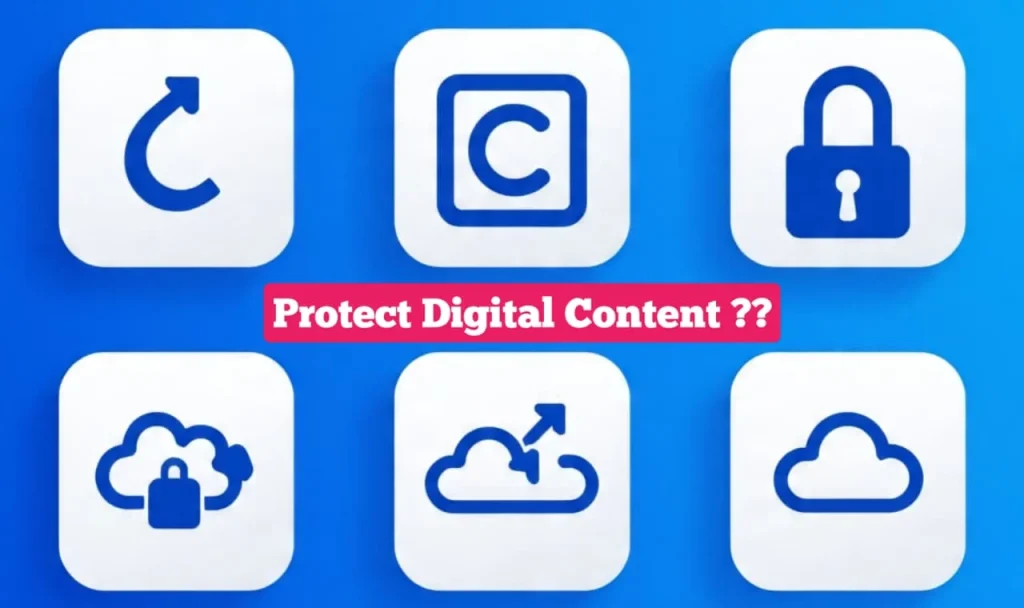
Creator motivation and brand integrity are other areas that are impacted by content theft. It is hard to trace, regulate or get revenue when other people are misusing your work. Well-developed protection measures can protect the creative identity and guarantee the appropriate attribution. Creating a safe space stimulates a feeling of trust and enables creators to be more open and free without the fear of being exploited or having their work replicated.
With Copyright and Licensing Tools
One of the best ways of comprehending how to safeguard digital content against theft is copyright registration. Copyright legally recognizes you as the owner, and it becomes easy to sue in case of unauthorized use. The licensing tools will enable you to determine how your work can be used by others to avoid abuse. These safeguards give creators legal rights and enhance ownership rights on original creations.
The correct selection of the license including Creative Commons, exclusive rights, or limited-use licenses can be used to establish boundaries. You will minimize the possibility of illegal copying by putting copyright notices or license terms in a visible place. These measures inform ownership and guard against the exploitation of your content. Licensing has the effect of creating a formidable barrier that enhances the exposure and security of original work.
Visual Content Protection by Watermarking
Watermarks are also useful in learning to defend against theft of digital content. Adding visible or invisible watermarks to photographs, video, art or graphics will deter unauthorised usages. Your identity is still attached even in case of copying of the content. Watermarks bring about accountability and minimize the possibility of theft since it becomes difficult to claim that one has taken your work.
Non-intrusive watermarks do not interfere with the quality of the content protection of ownership. Digital watermarks will contain identification information but will not be visible, providing extra protection. Such practices will guarantee that creators will be able to monitor unauthorized reposts and confirm that they are the original owners. Portfolios, online gallery, and social media posts are some of the most common places to use watermarking as visual content is frequently shared without consent.
Secure File Management through Encrypted Storage
Encryption is a crucial consideration in the way to counter theft of digital content. It provides drafts, files, and final work to the authorized users only. End-to-end encryption secures the information in transfers and storage. Encrypted cloud services also offer a secure backup to creators of sensitive projects or client materials, and they do not permit unauthorized access even in the event of a device compromise.
Secure storage solutions enable creators to have control on access permissions and monitor file usage. Secure sharing links, encrypted archives, and password-protected folders are extra protection. These tools assist in the prevention of leakages of content, illegal downloading of content and manipulation of data. Trustworthy storage protects the long-term working process and provides the security of valuable online resources that can be stolen.
Preventing Unauthorized Monitoring by using VPNs
VPNs play an important role in the process of preventing the theft of digital content by masking your IP address and encrypting web-based traffic. This keeps the hackers off your file transfers and tracking your online activity. VPNs shield uploads, communication and creative processes against being spied on. They offer secure browsing in the open networks and enhance the privacy needed in content creation and distribution.
VPNs can also ensure anonymity and minimize targeted cyber attacks by creators who distribute their content on more than two platforms. Confidential links protect working processes when collaborating or working remotely. VPNs will provide a more secure place to share sensitive content by hiding your online presence. They play an essential role in the work of creators who need to have safe access to tools, platforms, and cloud resources without disclosing personal data.
Hard to crack passwords and account security
The initial step towards learning to guard against theft of digital material is use of passwords. Creative accounts are prone to hacking and unauthorized takeover by using weak passwords. The password manager is useful to create powerful and unique passwords on each platform. This significantly minimizes the risk of intrusions and secures stored files, drafts, client work and publication points.
Password managers also alert about breached credentials, as well as promote good behavior. When used together with two-factor authentication, they establish various levels of security that can be used against unauthorized logins. Account security will allow the creator of an account to make alterations, add or remove content, only to the author of the content. Powerful password regimes are essential towards ensuring that online tools, cloud storage and digital portfolios are not stolen.
Safe Sharing Practices
Being aware of how to prevent theft of digital content also implies sharing files in a wise manner. Artists are expected to deploy safe links, password-crack downloads, and restricted access folders. Public links can be avoided and avoid unauthorized downloads. Distribution of files via secure systems will be able to offer confidential access and viewing of the work to only a few people, thus reducing the chances of theft and misuse of content.
Producers ought to turn off downloading as much as they can and employ access links with time limits. Watermarked previews are useful in ensuring that there is control, and still give the client or audiences a chance to preview content. Secure sharing will ensure that your workflow remains confidential and will not be shared with unauthorized parties. Controlled access makes creators in control of their digital content at any given time.
Tracking the use of Online Content
The tracking tools assist creators to identify stolen or abused material, which is a crucial measure towards understanding how to avoid theft of digital material. Reverse image searches, plagiarism detectors and copyright monitoring services display unauthorized use. By detecting theft promptly, creators are able to take immediate action, demand removal or file a copyright notice against the violator.
Constant observation eliminates the harm to reputation and income in the long term. The creators keep track of their content usage as it allows them to be aware of where their content is being used. Copyright policies can be enforced using automated monitoring tools which make it easier to detect. It is best to be proactive so that your digital content remains secure and assists in retaining ownership of a creative output.
Preventing Unsafe Platforms and Networks
It is also necessary to learn how to safeguard digital contents against theft by not using unsafe websites and networks. Unsecured Wi-Fi may make your uploads, passwords, and drafts vulnerable to hackers. The creators must apply only reliable platforms that have good security measures. VPN should always be used on the public networks to avoid unauthorized access and interception of data.
The unsafe websites can have malware or some hidden scripts that steal content or track activity. Risk minimization is achieved by updating devices and not downloading suspicious files. A safe online space means that creators have complete control of their content and will not be threatened by attacks on identity or intellectual property.
FAQs
Final Thoughts
Understanding how to prevent theft of digital material is crucial to creators, professionals and any person who posts work on the internet. Using powerful technologies, such as VPNs, encrypted storage, digital watermarks, and licensing procedures, authors retain their ownership and protect their ideas. Content protection guarantees the sustainability of creative value, prevents abuse, and establishes a safe base of further career advancement.
By adopting multi-layered security measures and sharing practices that are safe, creators minimize risks. These are practices that encourage confidence, safeguard identities, and ethical content use on the internet. Through digital protection, creators have a beneficial effect by remaining proactive and keeping control of their work and the integrity of their brand. Being very digital safe is not only a way to avoid theft but also a guarantee of long-term creative success.