How to Manage Online Albums
It is important to learn to handle online albums whether a person is a creator, photographer or a normal person who keeps digital images on the cloud system or social networks like erome. Online albums are useful in organizing the content, remembering memories and having a digital library that is well arranged. Sound album management increases content accessibility, improves presentation and makes it easier to organize files in the long term so that users can find and share files with ease.
As the digital content grows, disorderly albums might grow too much. The management necessitates sorting, labeling, settings of privacy and constant maintenance. This manual discusses effective but easy ways to handle albums effectively. These methods assist users in having organized collections in terms of naming structures as well as secure storage. You can organize the albums in the best way to save your digital workflow and secure your most valuable media.
Importance of Organizing Online Albums
To know how to control online albums, it is essential to know why organization is a concern. Organized albums are time-saving, less confusing and easier to access the content. Organized albums enhance the clarity and enable one to keep an efficient digital space whether storing personal memories, professional work, or creative projects. It is also well structured and improves the viewing experience of your audience.
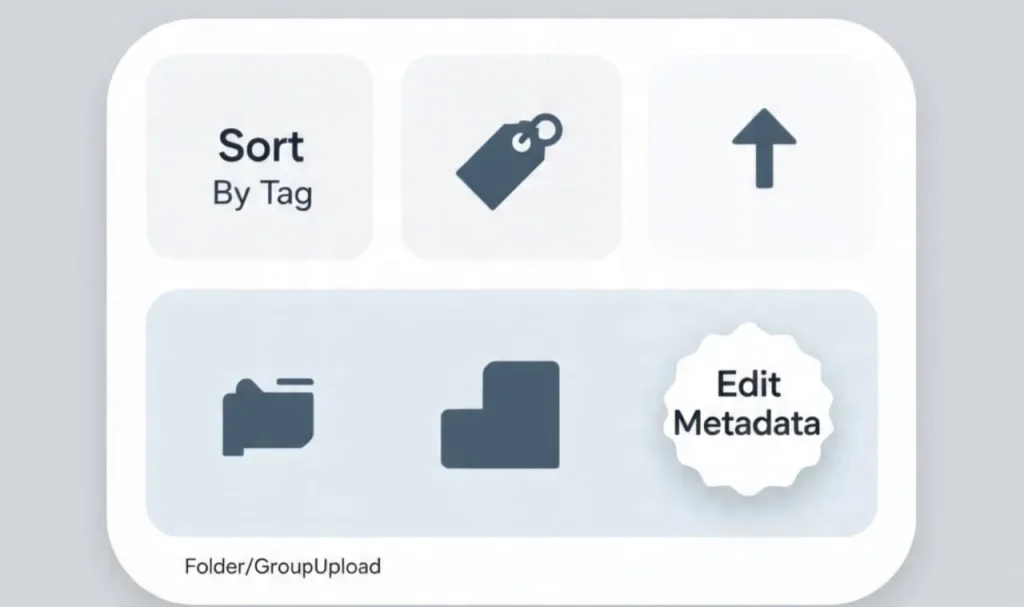
Arranged albums enhance easier story telling and presentation. They assist in sorting content based on themes, dates or events and this makes your digital library meaningful. A structured system also makes it easier to share, back up and also long term management. The clean layouts have the advantage of enhancing functionality and visual attractiveness to users across platforms.
Naming and Labeling Albums Effectively
Clear names are also mandatory in learning how to manage online albums. Album titles ought to tell what is in them whether in terms of subjects, date, or theme. It is advisable to avoid ambiguous or repetitive names which are hard to search. Labeling albums will allow you to find them easily and enhance the general organization of your digital library.
Regularity in names makes it more organized. The navigation is easy because of the use of patterns like Event – Year or Theme -Category. Systematic naming helps in organizing in the long term and eradicating confusion when dealing with more than one album. Correct labels will facilitate content management and make the browsing easier to you and your audience.
Using Tags for Better Discoverability
The tags also add to the procedure of managing the online albums by increasing searchability. The inclusion of the appropriate keywords allows classifying the photos and videos into specific categories. Tags enable users to find a specific content even in the large collections. An efficient digital library can be made dynamic by proper tagging.
The themes of tags should be the same, which enhances the experience of browsing and better album organization. Related images can also be identified with tags, cross-referencing can be supported, and groups of similar content can be created. This method makes it easy to manage particularly when the creator has massive archives. It guarantees that your albums are organized and user friendly.
Sorting Content by Themes or Dates
One of the sure ways in how to manage online albums is sorting by theme or date. The use of date based organization aids in the preservation of chronological flow and facilitates easy tracking of events with time. Theme-based sorting groups were content related and enhanced storytelling and presentation across albums.
These sorting systems assist in minimizing clutters and enable users to find certain content very fast. Categorized albums include themes such as travel, work, family or projects. Date sorting is used in reference and organizing memory. The two strategies enhance the album transparency and durability in digital format.
Managing Privacy and Access Settings
The issue of privacy is a significant component of the management of online albums. Social media enables users to make albums either public or private or restricted. Access control will ensure that sensitive content is only viewed by trusted people. Privacy settings are used to ensure that your media is not exposed to the wrong people.
The users are expected to check the people who view shared albums regularly. Cancellation of old permissions helps to be more safe and under control. Privacy tools encourage safer communication, particularly those involved in creating content, be it professional or personal. Good privacy management ensures your online identity and integrity of content is preserved.
Backing Up Albums for Long-Term Safety
The management of online albums should also have backup plans on how to ensure their safety. Data loss due to the failure of the device or accidental deletion is avoided because of cloud platforms, external drives, and offline copies. Good backups save precious memories as well as critical work against unforeseen problems.
The availability of multiple backup sites is more stable. The automatic backup feature makes it simpler as albums are automatically updated. Backups help in protecting your online archive and make it last long. The practice secures your content against technical failure or errors on the platform.
Using Album Layouts and Organization Tools
The way of managing online albums requires visual organization. There are numerous platforms that provide layout tools to organize thumbnails, to sort by the relevance or to emphasize significant items. These characteristics assist in making the content more appealing and take the viewers through your albums in a better way.
Visual flow is better organized to tell a story and experience. The layouts of albums allow easier navigation and highlight your finest content. In-built tools are useful in keeping the platforms clean and professional. A powerful design makes the usage more captivating and holds your albums together.
Removing Duplicates and Unnecessary Files
One of the aspects of how to manage online albums is cleaning up albums. Duplicate files or files that are not clear take up space and slow down efficiency. The frequent deletion and review of the needless content help to maintain the albums tidy and light. This enhances performance as well as clarity.
Professionalism is also improved by eliminating undesirable images. Clean albums are useful in bringing out meaningful content and enhancing audience experience. Optimizing your assortment will make your online page less confusing and robust. Cleaning up on a regular basis means that there will be ease in managing it in the long run.
Reviewing and Updating Albums Regularly
There is a need to update the process periodically in the handling of online albums. The addition of new content, the update of descriptions, and tags make the albums reliable and up-to-date. Regular maintenance is what makes sure that your digital archive is aligned to your changing content style and a need.
Album review gets rid of old or lost files. Revising images and text is a way of ensuring quality and enhances searchability. Always up-to-date means organization in the long term and the enjoyment of the audience. Active album management maintains your digital library in order and in a significant manner.
FAQs
Final Thoughts
Learning to handle online albums will enable users to have a well-organized, safe and attractive online library. You can easily organize your photos into well-organized albums that can be browsed easily and stored over extended periods with appropriate naming, sorting, tagging and privacy settings. Powerful management promotes both personal and professional online experiences.
Backups, cleaning and frequent updates make sure that your albums are up to date and clean. It is the proper management that gives your digital presence more strength and secures your content. With these strategies being used regularly, users have complete authority over their online archives and can showcase their media portfolio with confidence on platforms.