Cloud Storage Privacy Comparison
A cloud storage privacy comparison is a tool that allows users to know how various platforms like erome secure their information. As more people switch to using the digital platform, cloud services will need a high level of encryption, secure access controls and effective privacy policies. The comparison of these features enables people and creators to select the platform that would help to keep their files away from unauthorized access. Storage privacy is a critical factor to comprehend when it comes to upholding digital security in the swiftly changing online world.
Privacy is not equally provided across cloud platforms. Others are concerned with the speed and convenience, whereas others are concerned with encryption or the rigid data protection measures. Carrying out a cloud storage privacy comparison will assist the user to analyze the risks, find out safe providers, and comprehend the process of what the user data is doing in the background. An obvious comparison is a basis of informed choices and digital security in the long run.
Why Cloud Storage Privacy Matters
The privacy issue is one of the biggest issues in cloud usage, and a cloud storage privacy comparison is necessary to every person who keeps valuable files on the Internet. Documents, photos, and creative work are sensitive data that may be exposed to vulnerability in case of a platform that is not well secured. Cloud services that are privacy-oriented are used to ensure that files are not shared with others and can be accessed by the intended users.
Powerful privacy controls will discourage unauthorized access, hacking and data leakage. The cloud platforms vary greatly in terms of protection. Such detailed comparison can enable users to be aware of the risks that are not obvious and choose the services with the emphasis on data integrity. Awareness of privacy aids an individual and business to keep online space safe.
Comparing End-to-End Encryption
The most significant aspect of cloud storage privacy comparison is the end to end encryption. The technology will help make sure that files are encrypted prior to going out of your machine so that they do not get seen by cloud companies or hackers. Sites which provide real end-to-end encryption are more secure to the confidential information.
Other providers encrypt files only when they are being transferred or when they are stored in their servers, and this is still accessible internally. End-to-end encryption would remove this threat by ensuring only the user has the decryption keys. The comparison of the types of encryption assists the users in making a decision on the safest platform to use in private storage.
Evaluating Zero-Knowledge Privacy Policies
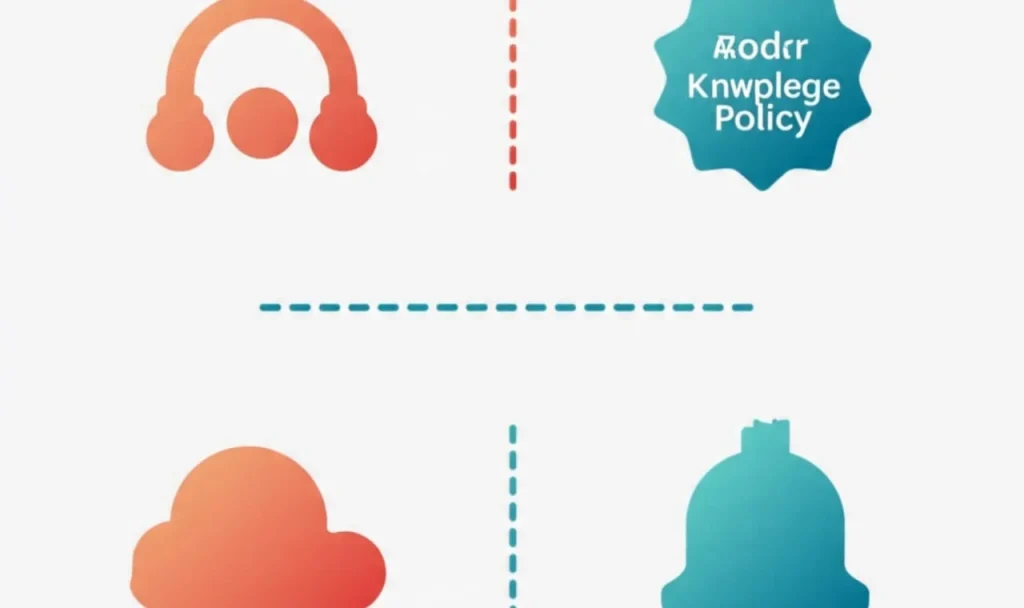
The important criteria in the comparison of cloud storage privacy should be zero-knowledge policies. Such policies guarantee that cloud providers do not have access to and cannot view your files at all. This will ensure that there is complete privacy even when it is undergoing maintenance or backups. Zero-knowledge sites value the privacy of the user.
In the absence of the zero-knowledge architecture, service providers can gain access to stored information on a technical basis. Platform comparison on the basis of their privacy promises can assist users to know who possesses encryption keys. Zero-knowledge providers provide superior protection in the long-term and greater assurance of unwanted visibility.
Reviewing Access Control and Permission Settings
The use of access control features is critical when comparing mobile cloud storage privacy. The tools enable the user to specify accessibility, editing, and sharing of content stored. Permission controls are very strong and prevent the accidental exposure of files as well as collaborating.
Social networks that have more advanced permission systems allow safer collaboration and file management. Privacy is enhanced by the features like password-protected links, expiration date, and limited sharing. The comparison of these settings assists the user to choose platforms that will provide the highest level of control over their data.
Understanding Data Storage and Server Locations
The location of data is a significant factor in privacy of cloud storage comparison. Various nations have various privacy legislations that influence data storage and security. There are those areas that are highly regulated whereas there are those that are not as regulated.
The selection of platforms that have secure server location will enable users to evade privacy risks. The environment of stored files is safer in providers that have stringent laws on data protection. Location comparison of servers assists users to evaluate the cloud providers based on their privacy expectations.
Analyzing Backup and Recovery Privacy
Backups are essential, but also have to be considered during a cloud storage privacy comparison. Backups are encrypted so that the files are not exposed to others even when there is a system failure. Services that store backup copies in a highly encrypted format provide safer long term storage.
Privacy is also affected by recovery tools. It is possible that some of the services store numerous versions of files that exist over many periods. Privacy knowledge on how backup and recovery systems deal with privacy enables users to select safe platforms. Good security will guarantee that all your files remain confidential.
Reviewing File-Sharing Privacy Controls
File-sharing features vary among platforms widely, and this is one of the major aspects of cloud storage privacy comparison. Secure sharing tools are used to secure files in the course of transfer and avoid unauthorized access. Social sites that have strong sharing features are effective to keep privacy at work.
The privacy-oriented sharing protocols entail encrypted links, passwords, and restricted access settings. The comparison of these tools assists the user to shun dangerous sites that enable uncontrolled or open access. Secure sharing can be used to make sure that only the people you trust can access your files.
Comparing Mobile and Desktop Privacy Features
Cloud storage privacy comparison has to examine mobile and desktop versions of cloud applications. Certain applications are more encrypted, or provide superior privacy settings on particular devices. Users are advised to compare features with different platforms so as to have a standard protection.
Biometric mobile applications, locked folders and limited syncing provide more privacy. Desktop applications can have sophisticated preferences such as selective synchronization. Making a comparison of features based on devices makes the difference in ensuring total privacy of access points of files.
Long-Term Privacy Maintenance Across Platforms
The privacy of cloud storage should be taken care of. Cloud storage privacy comparison assists in determining which platforms update frequently, have good security patches, and update their protection. Privacy needs to be long-term to secure a digital environment.
Social media where users are active, policies are transparent, and the support is reliable offer more protection in the long-run. The frequent updates minimize vulnerabilities and ensure that user data is secure. By comparing these factors, users will select reliable cloud storage services.
FAQs
Final Thoughts
It is best to conduct a cloud storage privacy comparison to select the platforms that emphasize encryption, access control, and secure data operations. As more storage is required, privacy-oriented cloud services are more secure. Comparisons are essential because your files will be secure against unauthorized access and at the same time allow you to have flexible storage
Knowing the privacy variation between cloud providers enables the user to make wise choices that are secure. Through the analysis of encryption, permissions, server locations, and data policies, you can make the right choice as to which platform to use in the long run. A close comparison favors digital safety and guarantees the peace of mind regarding the storage of important files that are stored on the internet.